Do I Need a Lawyer for a Traffic Ticket in Florida?
Do i need a lawyer for traffic ticket in Florida? Usually not for a minor payable ticket, but court, points, CDL risk, or criminal charges change that.

Monday, December 1, 2025
Wondering, do I need a lawyer for a traffic ticket? In Florida, you usually do not need one for a minor ticket you can pay, but you should seriously consider legal help if you must go to traffic court, risk points that could push you toward suspension, hold a CDL, or face a criminal traffic charge.
So, you got a traffic ticket in Florida. The first question that probably popped into your head was, "Do I need a lawyer for a traffic ticket?"
For a simple parking ticket where you just plan to pay it and move on, you probably don't. But if you’re looking at points on your license, a possible suspension, or you’ve been ordered to show up in court, getting a lawyer involved is a very different conversation.
Attorney Advertisement
Your Quick Guide to Hiring a Traffic Lawyer
Here’s the short answer most drivers want immediately: for a routine, payable ticket with low stakes, many people handle it themselves. If your case involves a court appearance, a criminal citation, prior points, a commercial license, an accident, or any real chance of suspension, hiring counsel becomes far more sensible.
One Florida-specific point matters right away: paying a ticket is generally not just “closing it out.” For most civil traffic infractions, payment is treated as an admission of the infraction and results in a conviction being reported unless another lawful resolution applies, as reflected in the state’s civil traffic infraction options and court procedures under Florida Statute 318.14.
Making The Right Call
The practical question is not whether a lawyer is always required. It is whether the downside of handling the case alone is bigger than the legal fee. For basic tickets, many drivers choose to pay or elect school. For anything that can affect your license, employment, or insurance for years, the math changes quickly.
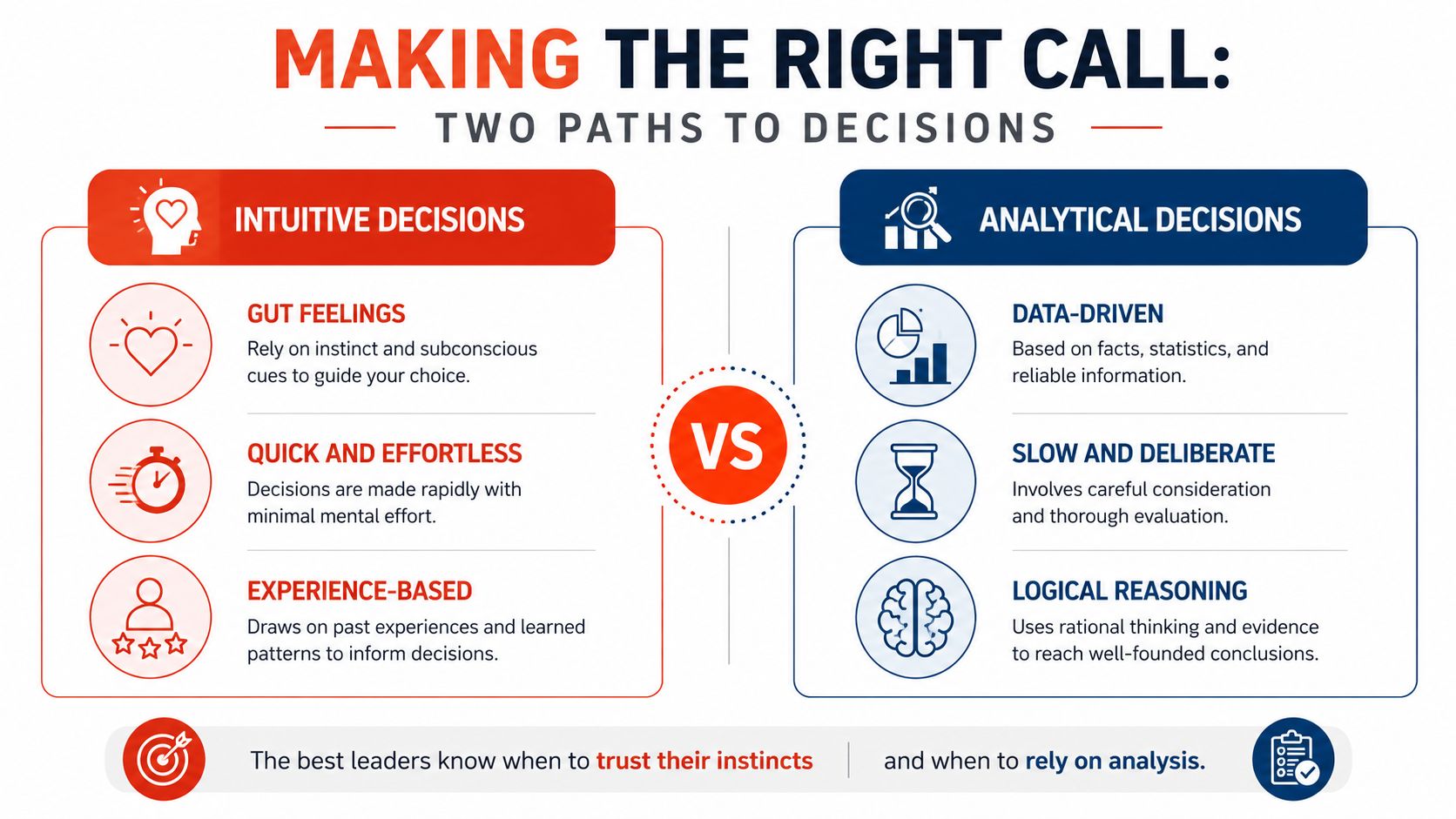
A useful rule of thumb: if the case is simple and the likely outcome is only a fine, self-representation may be realistic. If the ticket puts your record, livelihood, or freedom at risk, legal help is usually worth a close look. Even general consumer guidance notes that standard traffic lawyers often charge about $150 to $500 for basic tickets, while higher-stakes criminal traffic matters cost much more, which is why the more relevant comparison is fee versus consequences, not fee versus fine alone, as explained in this traffic court overview.
Ticket Scenario vs Recommended Action
Traffic Ticket Scenario | What traffic court usually means here | Recommended action |
|---|---|---|
Parking ticket or other non-moving issue with no license impact | Often no meaningful courtroom fight; usually administrative or payable | Likely can handle yourself if the amount is low and there is no record concern |
First-time minor moving violation with a clean record | You may be able to pay, elect an available option, or appear and speak for yourself | Usually can handle yourself if the facts are straightforward |
Standard speeding ticket with prior points already on your record | Court may be worth it because another conviction could create larger downstream costs | Lawyer worth considering |
Ticket requiring or strongly likely to require a court appearance | You will be dealing directly with the judge, prosecutor, and local procedures | Court appearance/lawyer strongly advised |
Reckless driving, DWLS, DUI, leaving the scene, or another criminal traffic offense | Criminal exposure, possible probation or jail, and a permanent record become part of the case | Get legal help now |
CDL holder charged with any moving violation | Even a “small” conviction can threaten employment and federal/state compliance issues | Strongly advised |
Accident with injuries or disputed facts | Liability, insurance, and witness issues make the hearing much more complex | Strongly advised |
Out-of-state driver cited in Florida | Returning for court may cost more than hiring counsel to appear and negotiate | Often worth hiring counsel |
This table is not legal advice, but it gives you a cleaner yes-or-no framework than the usual “it depends.”
Important Takeaway: The strongest reason to hire a lawyer is not that every ticket is serious. It is that some tickets are much more expensive than they first appear once points, insurance, court, and suspension risk are factored in.
Getting an attorney is especially important for more serious violations. For instance, you can learn more about how a Florida speeding ticket lawyer can help you through the process and work toward a better result. Past results do not guarantee future outcomes. Having a professional in your corner is an effective way to ensure your rights are protected.
Traffic Ticket Scenario | Potential Consequences | Is a Lawyer Recommended? |
|---|---|---|
First-time, minor speeding ticket (e.g., 10-14 mph over) | Fine, 3 points, potential insurance increase | Maybe. A lawyer may be able to get the points waived to protect your insurance rates. |
Aggressive driving or reckless driving | Heavy fines, 4 points, possible license suspension, criminal record | Absolutely. These are serious charges that benefit from a strong legal defense. |
Driving with a suspended license (DWLS) | Fines, potential jail time, extended suspension, criminal record | Yes, immediately. The stakes are high, and you need professional guidance. |
A ticket that could lead to a license suspension (point accumulation) | License suspension, SR-22 insurance requirement, major rate hikes | Strongly Recommended. Protecting your driving privileges is the top priority here. |
Commercial Driver's License (CDL) holder with any moving violation | Points on CDL, potential job loss, significant fines | Yes. A CDL is a livelihood, and any conviction can be damaging for a professional driver. |
When Hiring a Traffic Lawyer Is a Smart Move
Not every citation justifies legal fees. Some do. The dividing line is usually whether the ticket stays a one-time nuisance or turns into a case that can affect your license, job, court obligations, or criminal history.
If you are asking whether you have to get a lawyer for traffic court, the honest answer is no in many routine cases. Florida drivers often appear on their own for straightforward civil infractions. The better question is whether going alone creates avoidable risk.

Situations Where Counsel Is Usually Worth It
A lawyer is usually a smart move when one or more of these factors is present:
You must appear in court or are very likely to. Once the case moves beyond paying a fine, procedure matters.
The citation is criminal, not just civil. DUI, reckless driving, DWLS, and leaving the scene are not “just tickets.”
You already have points. Florida can suspend your license at 12 points in 12 months, 18 in 18 months, and 24 in 36 months under the state’s point suspension rules and Florida Statute 322.27.
You drive for a living or hold a CDL. A plea that looks manageable for another driver can become an employment problem for you.
You live out of state. Travel costs, missed work, and local court unfamiliarity may make representation the more practical choice.
The case involves an accident, injury, or sharply disputed facts. Evidence, witness handling, and statements matter more in these cases.
Missing work costs less than hiring counsel, or vice versa. If a hearing means losing a day’s income, paying for representation can make sense even on a non-criminal ticket.
Handle It Yourself vs Get Legal Help Now
You can often handle it yourself when:
the ticket is a first-time, low-level moving violation,
you have a clean record,
no court appearance is required,
there was no crash or injury,
and the long-term insurance or licensing risk appears limited.
You should get legal help now when:
the ticket is criminal,
you are close to suspension,
you have a CDL,
you have been ordered to court,
you were involved in a crash,
or the consequences of losing are much larger than the lawyer’s fee.
That is also the practical answer to whether it is worth it to go to court for a traffic violation. Court is worth considering when there is something substantial to protect: points, a job, a license, or a criminal record. It is usually not worth turning a small, low-impact matter into a bigger time commitment unless there is a realistic payoff.
Criminal Traffic Violations
In Florida, certain traffic offenses aren't just civil infractions—they’re criminal. A conviction means more than just paying the court; it can lead to jail time, probation, and a permanent criminal record that will show up on background checks.
If you’ve been cited for any of the following, your first move should be to call an attorney.
Driving Under the Influence (DUI): This is one of the most severe traffic offenses you can face, with significant penalties and a license suspension.
Reckless Driving: This isn't just aggressive driving; it's defined as operating your vehicle with a "willful or wanton disregard for the safety of others."
Driving With a Suspended License (DWLS): This can spiral quickly, with penalties getting worse if you have prior convictions.
Leaving the Scene of an Accident (Hit and Run): The consequences here depend heavily on whether there was only property damage or if someone was injured.
With these charges, you're not just fighting to lower a fine. You’re fighting to protect your freedom and your future. Our practice focuses on traffic and DUI defense, and our goal is to protect your license and your record.
High-Point Violations and License Suspension Risks
Even if it's not a criminal charge, some civil tickets can still get you kicked off the road. Florida uses a point system to keep track of moving violations, and if you rack up too many points too quickly, your license gets suspended.
Key Insight: Getting 12 points within 12 months triggers a 30-day suspension. Hit 18 points within 18 months, and you’re looking at a 3-month suspension.
A single ticket for something like speeding well over the limit or running a red light can add 3 to 4 points to your license. If you already have a few points, that next ticket could be the one that sends you over the limit. Florida’s point schedule lists common examples, including 3 points for many moving violations and 4 points for reckless driving.
A traffic attorney can fight to get these charges reduced to non-moving violations, which means no points and no risk of suspension. For a more detailed breakdown, check out our guide on when it's worth hiring a lawyer versus paying the ticket in Miami . Past results do not guarantee future outcomes.
The Hidden Costs of Simply Paying Your Ticket
Many drivers assume paying a traffic ticket is the easiest way to make it go away. Just write the check, stick it in the mail, and forget about it, right? In many Florida cases, that payment functions as an admission and results in a conviction being reported through the normal process, which is why the state tells drivers to review all available citation options before responding.
That matters because the cost of a ticket is often not the fine. It is the record entry, the points, the insurance increase, and the suspension risk that may follow.
From Points to Premiums
Florida’s point system gives some helpful context. According to the state’s driver improvement and point guidance, many common moving violations carry 3 points, while reckless driving carries 4 points. More serious crash-related offenses can carry even more. If you are cited for a routine speeding ticket or a red-light style moving violation, those points are not abstract—they become part of the record insurers review.
At that point, those points are a red flag for your insurance company, telling them you’re a higher-risk driver. What do they do? They raise your premiums.
Consumer legal and insurance sources vary by driver profile and carrier, but they point in the same direction: a speeding conviction can increase premiums by roughly 20% to 40%, which can mean about $300 to $800 more per year for around three years in many cases, according to this Nolo analysis. A separate insurer explainer on how long tickets affect rates is useful if you want a plain-English look at the three-to-five-year timeline many drivers experience.
So a ticket with a fine in the low hundreds can realistically become a four-figure problem over time. You can learn more by reading our detailed guide on navigating Florida's points system and its impact on your license and insurance.
The Risk of License Suspension
It’s not just about the money. Racking up points puts your actual driving privileges on the line. Florida’s system is strict, and those points add up faster than many drivers think.
12 points within 12 months? That's a 30-day suspension.
18 points within 18 months? You're looking at a 3-month suspension.
24 points within 36 months? Get ready for a full 1-year suspension.
Those thresholds come directly from Florida’s point suspension rules and section 322.27. Losing your license can mean reinstatement fees, work disruption, transportation problems, and in some cases insurance filing requirements.
When Paying Can Still Be Rational
A balanced answer matters here: sometimes paying the ticket is the rational choice. If the citation is minor, your record is clean, no court appearance is required, and the likely downstream cost is limited, resolving it quickly may be sensible. Some drivers also prefer certainty over spending time fighting a low-stakes matter.
The tradeoff changes when the ticket carries 3 or 4 points, when you already have prior points, when the case pushes you toward traffic court, or when your job depends on a clean record. In those situations, “just pay it” is often the most expensive shortcut.
Your odds of a positive outcome can also depend heavily on your location. Regional differences in court policies and prosecutor practices play a significant role. For instance, dismissal rates can vary widely between counties, highlighting the importance of local legal knowledge. Discover more insights about traffic ticket dismissal rates in Florida.
Fighting your ticket isn't just about dodging a fine. It’s about protecting your driving record, keeping your insurance affordable, and avoiding a minor slip-up from snowballing into a major financial problem.
Past results do not guarantee future outcomes.
How a Traffic Attorney Can Protect Your Record
Here’s what a traffic attorney does. It’s a lot more than just showing up in court. Think of a traffic attorney as your strategic advocate, whose job is to analyze the case against you, piece by piece. Their number one goal? Protecting your driving record from the long-term sting of a conviction.

The work starts the moment we take your case. Your lawyer will look into every detail of the citation, searching for procedural mistakes or technical issues that could lead to a dismissal. Was the officer's radar gun calibrated correctly? Did they fill out the ticket with the right information? You’d be surprised how often these small details can completely change the outcome.
Negotiation and Court Representation
One of the most powerful tools in an attorney's arsenal is negotiation. Because our practice focuses on traffic and DUI defense, we are in regular communication with prosecutors across Florida. This familiarity often allows us to negotiate a lesser charge—like getting a moving violation (which adds points to your license) amended to a non-moving violation (which doesn't).
This one strategy can significantly help keep your record clean. To see just how damaging a conviction can be, see how long traffic tickets stay on your record.
But here’s one of the main benefits: for most non-criminal infractions, your attorney can go to court for you. No taking a day off work. No navigating a confusing courthouse. No standing in front of a judge by yourself. You can go about your life while a professional handles the legal legwork.
Improving Your Odds of a Better Outcome
Hiring a traffic lawyer can improve your chances of a favorable outcome.
Studies consistently find that drivers with attorneys see more dismissals and charge reductions. For example, a review of practical traffic-court outcomes discussed by consumer legal resources notes that represented drivers in minor cases often obtain reductions or point-avoiding outcomes far more often than drivers who plead guilty or appear unprepared, as summarized by Nolo. Broader discussions of traffic-court strategy also emphasize that representation matters most when the consequences are large, not merely when the fine is annoying, which is the core point in this traffic court explanation.
Our goal is to protect your license and record. While no attorney can ever promise a specific result, our mission is always the same: fight for the best possible outcome for your situation. We aim to reduce fines, avoid points, and keep your insurance rates from increasing.
So, How Does This Actually Work? A Look Inside the Process
Okay, you've decided a lawyer might be the right move. What happens next? The idea of hiring a law firm can sound complicated, but we’ve made our process simple and transparent. It’s designed to get you answers fast and take the stress off your shoulders from day one.

It all starts with a free, no-obligation consultation. This is your chance to lay out the facts of your case and get a professional opinion without spending a dime. To get the most out of this initial chat, it's a good idea to have a couple of things handy.
What to Expect During Your Free Consultation
When you call us, our first priority is to listen. We want to understand exactly what happened so we can explain how we can help. We handle criminal traffic matters across Florida, so we know the local courts and what to expect, no matter where you got your ticket.
To help us give you the best advice, try to have this information ready:
The Ticket Itself: The citation number and violation code are the starting point for our entire strategy.
Your Driving History: A quick look at your record helps us understand the stakes, especially regarding points on your license.
Any Other Evidence: Did you take pictures? Get a witness's contact info? Every little bit can help.
This is also your time to ask us anything. Ask about our experience with cases like yours, what kind of outcomes are possible, and exactly what our fee will be.
Making It Official and Putting Us to Work
If you feel confident that we're the right fit, the next step is to officially bring us on board. This just means signing a representation agreement and taking care of the flat legal fee. The moment that's done, we spring into action.
It's important to know where the line is between a chat and a formal agreement.
Confidentiality Notice: Submitting information via our forms or participating in a free consultation does not create an attorney-client relationship. An official attorney-client relationship only begins once a representation agreement is signed by both you and our firm.
From that point forward, consider the burden lifted. We handle everything—from filing paperwork with the court to speaking with the prosecutor and appearing in court so you don’t have to. Our job is to protect your license and keep your record clean. Past results do not guarantee future outcomes.
Our goal is to make professional legal help accessible and straightforward, giving you peace of mind while we work to achieve the best possible outcome for your case.
Making an Informed Decision for Your Situation
So, what’s the final verdict? Should you hire a lawyer for a traffic ticket? That's a question only you can answer, and it really comes down to a simple cost-benefit analysis of your specific situation.
It's tempting to just look at the fine on the ticket and call it a day, but that’s not the full picture.
You have to weigh the total cost of just paying the ticket—the fine, court fees, and the big one, years of increased insurance premiums—against the one-time cost of hiring a professional to handle it for you. Think of it as an investment in protecting your driving record and your bank account for the next three to five years.
Weighing Your Options
To make a smart call, you need to look at these factors together:
The Seriousness of the Ticket: Are we talking about a minor rolling stop or a criminal traffic violation that could come with jail time?
Your Driving Record: Is your license spotless, or will this ticket be the one that triggers a suspension?
The Long-Term Financial Hit: How much will your insurance company penalize you for this conviction? It’s often more than you think.
Fighting a ticket isn't just about dodging a fine. It’s about stopping a simple mistake from snowballing into a major financial headache. Getting a handle on the chances of getting a speeding ticket dismissed can give you some real perspective here. An experienced attorney works to avoid those long-term consequences, pushing for a dismissal, a reduction in the charge, or at least an outcome that keeps points off your license.
Our goal is to protect your license and record. While we can't guarantee a specific outcome, our entire focus is on getting the best possible result for your unique case.
If you're on the fence about what to do, the best move is to get a professional opinion. Our firm, with an office in Broward, handles traffic cases all over Florida. Give us a call for a free, no-pressure consultation to talk about your ticket.
Attorney Advertisement
Common Questions About Florida Traffic Tickets
Getting a traffic ticket can be a real headache, and it's normal to have a ton of questions. Let's clear up some of the most common ones we hear from Florida drivers who are trying to figure out if they need a lawyer.
Do I Have To Go To Court for My Ticket?
For most everyday moving violations, the answer is no, an attorney can go to court for you. You will not have to miss a day of work, drive to the courthouse, or stand in front of a judge by yourself.
However, if you're facing a more serious criminal traffic charge, like a DUI or Reckless Driving, your appearance in court is likely mandatory. For our clients with civil traffic infractions, we handle all the court dates, taking that stress completely off your plate.
Do You Have To Hire a Lawyer for Traffic Court?
No. Florida drivers are allowed to represent themselves in many traffic matters, and plenty of people do so successfully in simple cases. If the ticket is minor, the facts are straightforward, and the consequence is mostly a fine, self-representation may be completely realistic.
Where drivers get into trouble is assuming every court appearance is low-stakes. If the case is criminal, you are near a point suspension, you hold a CDL, or the hearing involves an accident or disputed evidence, going alone becomes much riskier. The issue is usually not whether a lawyer is mandatory; it is whether the potential downside of losing is too high to handle casually.
Is It Worth Going to Court for a Traffic Violation?
Sometimes yes, sometimes no. Going to court is usually worth it when avoiding points, protecting your insurance rate, or preventing a suspension would save you far more than the time and cost involved. It can also be worthwhile when there is a real factual defense or when a reduction to a non-moving violation is possible.
It is usually less worth it for a very small, low-impact ticket if you have a clean record and no meaningful long-term risk. In other words, court makes the most sense when there is something important to protect, not just when the fine feels annoying.
Has Anyone Won a Traffic Case Without a Lawyer?
Yes. Drivers do win without lawyers, especially on routine citations where the facts are simple, the officer does not appear, the paperwork is flawed, or the driver presents a clear and credible defense. Self-representation is common in traffic court.
But “can happen” is not the same as “best option.” The harder the case becomes, the more local procedure, negotiation, and record consequences matter. If a conviction could threaten your license, job, or criminal history, the smarter question is not whether someone else has won alone—it is whether you can afford the downside if you do not.
Can a Lawyer Guarantee My Ticket Will Be Dismissed?
No ethical lawyer can or should ever guarantee a specific result. The legal system just doesn't work that way; there are too many variables that can affect the outcome of a case. You should be skeptical of any law firm that makes promises of a specific outcome.
Our goal is to protect your license and record. While we can't promise a specific outcome, we can promise to fight for the best possible one for you. That could mean getting the case dismissed, negotiating for a lesser charge, or making sure no points hit your license.
Is It Cheaper To Just Pay the Ticket?
Paying the fine might feel like the cheapest and easiest solution right now, but it often costs you more down the road. When you pay that ticket, you're pleading guilty. That guilty plea puts points on your license, and those points are a red flag to your insurance company.
What happens next? Your insurance premiums will almost certainly go up, and that rate hike can stick around for three to five years. When you add it all up, the extra insurance costs can easily be more than the one-time flat fee you'd pay for a lawyer. Think of hiring an attorney as an investment in keeping your driving record clean and your insurance rates low.
What Happens if I Just Ignore the Ticket?
Ignoring a ticket is the absolute worst thing you can do. If you miss the deadline to respond, the state can suspend your driver's license. If you then get pulled over while driving on that suspended license, you're suddenly facing serious criminal charges. It's always better to deal with the ticket right away.
Still have questions? The team at Ticket Shield, PLLC has the answers. We're here to help you understand your rights and figure out the best next step. Contact us today for a free consultation to talk about your ticket with no obligation.